Well Deserve or Well Deserved: Which One Is Grammatically Correct?
Even seasoned writers can trip over phrases like “well deserve or well deserved.” This subtle distinction might seem trivial, but it holds significant weight in professional and casual writing alike.
Clarity in language is essential for effective communication, and recognizing the right phrase can elevate your writing skills. Join us as we dive into the nuances of these expressions and clear up the confusion once and for all.
Understanding the Core Confusion Of Well Deserve or Well Deserved
The confusion between “Well Deserve ” and ” Well Deserved” often stems from how we intuitively apply verb tense in English. While it might seem like simply adding “well” to “deserve” suffices, it overlooks the grammatical requirement that comes into play when we’re discussing past achievements. The phrase “well deserved” uses the past participle “deserved” to acknowledge that something has already been earned, marking it as a status rather than an action still in progress.
This subtle yet significant distinction highlights the importance of precise language in effective communication. When we misuse “well deserve,” it not only impacts clarity but can also influence the perception of our writing. In a world where casual phrases spread like wildfire online, being mindful of these nuances fosters greater understanding and respect for the language.
The Correct Phrase: Well Deserved
The Correct Phrase: Well Deserved resonates deeply in our everyday language, reflecting the importance of merit and recognition. When we say someone has received “well-deserved praise,” it emphasizes that their efforts and achievements have not only been acknowledged but also validated. This underscores a vital principle in communication: clarity in the attribution of merit enhances the sincerity of our expressions.
The adverb “well” amplifies the impact of “deserved,” cementing the notion that there’s a complete alignment between effort and reward. For example, a “well-deserved rest” signifies not just any break but one that is truly warranted after hard work.
Well Deserved: Meaning and Usage
The phrase “well deserved” encapsulates a sense of justice and acknowledgement that resonates deeply in various aspects of life. When we say someone has earned a “well-deserved promotion,” for instance, we not only recognize their hard work but also the inherent fairness of the reward.
This emphasis on fairness transforms “well deserved” from a mere descriptor into a badge of honor, highlighting resilience and dedication in the pursuit of goals. It serves a dual purpose: celebrating achievements while reinforcing the values of effort and commitment.
In written and spoken contexts, “well deserved” enhances the impact of praise, making it more poignant and meaningful. For instance, a “well-deserved break” emphasizes that rest is not just a luxury, but a necessity after tireless work.
You May Also Read: Cart vs Kart
Examples of Using Well Deserved in A Sentence
Using “well deserved” in a sentence often encapsulates a culmination of effort or achievement, injecting a sense of validation into the narrative. For instance, one might say, “After years of dedication and countless late nights, her promotion to team leader was well deserved.” This not only highlights the individual’s hard work but also reinforces the idea that recognition is not merely given but earned through perseverance.
- She finally received a well-deserved promotion after years of hard work.
- The team enjoyed a well-deserved victory at the end of the season.
- Take a well-deserved break and recharge your energy.
- His success is well deserved, given his dedication.
- The actor earned well-deserved praise for the powerful performance.
- After months of training, her medal was well deserved.
- They celebrated their well-deserved achievement together.
- The teacher gained well-deserved respect from her students.
- His reputation as a leader is well deserved.
- The vacation felt truly well deserved after a stressful year.
Is Well Deserve Ever Correct?
Yes, “well deserve” can be grammatically correct, but its usage is quite formal and often feels outdated. In sentences like “You well deserve the award,” it adheres to the structure where “well” acts as an adverb modifying the verb “deserve.” However, this construction is rarely used in everyday conversation, with most speakers opting for more straightforward phrases like “you deserve it.”
In contemporary English, the term “well-deserved” is more commonly encountered, especially as an adjective. For instance, saying “That award was well-deserved” is typically favored and easily understood. While “well deserve” isn’t incorrect, it’s essential to consider the context and audience to ensure clarity and relevance in communication.
Well Deserve or Well Deserved: Usage in Different Contexts
Social Media
Used to celebrate milestones:
- Celebrating birthdays, achievements, promotions
- Commenting on before/after transformations
Friends & Relationships
Used to show emotional support:
- After someone’s tough week
- After someone overcomes a struggle
Work or Professional Settings
Used in recognition:
- Performance appraisal
- Team accomplishments
Casual vs Serious Tone
- Casual: “Well deserved, man!”
- Serious: “Your recognition was well deserved given your contributions.”
Read Also: LGHT Meaning in Text
Well Deserved as an Adjective Phrase
The phrase “well-deserved” serves as a powerful adjective, embodying the culmination of hard work and genuine effort. By placing it before nouns like “praise,” “award,” or “recognition,” we elevate the significance of the words that follow. In this capacity, “well-deserved” doesn’t merely describe; it enriches the narrative, painting a picture of merit and achievement that resonates deeply in both casual conversations and formal settings.
Consider the emotional impact of calling a “friendship breakup shayari” a “well-deserved farewell.” This subtle shift creates a sense of closure and understanding, reflecting the complexity of relationships.
The choice to label something as “well-deserved” suggests that the outcome aligns with the efforts or situations leading up to it, invoking a sense of justice and affirmation. In doing so, it helps to foster clarity and a nuanced appreciation for the human experiences we navigate.
Well Deserve or Well Deserved in Spoken English
In spoken English, the choice between “well deserve ” and ” well deserved” can reveal a lot about one’s grasp of the language. While “well deserve” may slip off the tongue in casual conversations, it doesn’t quite align with conventional grammar. Native speakers tend to prefer “well-deserved,” as it resonates more fluidly in everyday dialogue. This simple shift enhances communication, allowing for a clear acknowledgment that someone has earned their accolades or rewards.
Consider the nuance in phrases like “that praise is well deserved” versus “you earn a well-deserved break.” The former flows smoothly, affirming that recognition is rightfully given.
Why Native Speakers Prefer Well Deserved
Native speakers prefer “well-deserved” because it blends seamlessly into the fabric of English, adding clarity and precision to communication. When describing achievements like “well-deserved recognition” or “well-deserved success,” the phrase communicates not just the accolade but the underlying effort and merit attached to it. This subtlety elevates the language from basic descriptions to a more nuanced expression of validation.
Well Deserve or Well Deserved in Real-Life Conversations
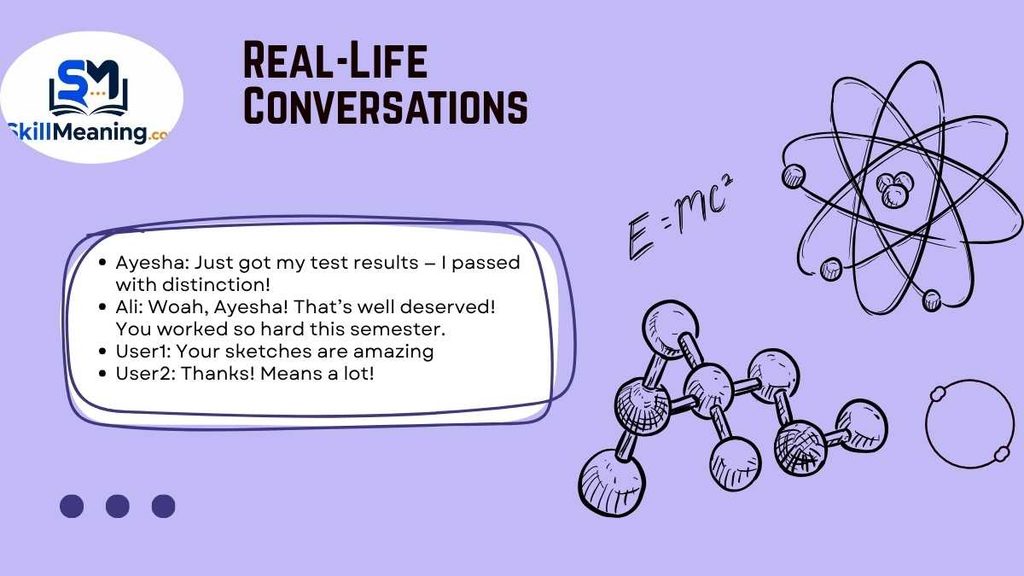
WhatsApp Chat
Ayesha: Just got my test results — I passed with distinction!
Ali: Woah, Ayesha! That’s well deserved! You worked so hard this semester.
Instagram DMs
User1: Your sketches are amazing
User2: Thanks! Means a lot!
User1: That feature in the art magazine? Well deserved
TikTok Comments
Commenter A: Bro finally hit 100K subs
Commenter B: Well deserved — your videos are fire
Read Next: Orgo Slang: Meaning, Usage, and Relevance in Digital & Professional Spaces
How to Remember the Difference Easily
To remember the difference between “well-deserved” and “well deserves,” focus on their grammatical functions and contexts. “Well-deserved” is an adjective that describes something that has been earned or merited, such as “well-deserved recognition” or “well-deserved break.” This adjective form emphasizes that the noun following it has earned that particular quality due to past actions.
On the other hand, “well deserves” is a verb phrase used to convey that something merits or is worthy of a certain recognition or action. For example, you might say, “She well deserves the award,” indicating that her efforts warrant acknowledgment. By keeping these grammatical roles in mind, distinguishing between the two becomes much easier!
Common Mistakes To Avoid
One of the common mistakes to avoid is misusing the phrase “well deserve” in sentences. Many mistakenly place this phrase before nouns, as in “a well deserve award.” This is incorrect; the appropriate term is “well-deserved,” which indicates that something has been earned and recognized. Misusing these forms not only confuses the reader but can also detract from the credibility of your writing.
Another prevalent error arises from the assumption that adding “well” can remedy verb tense issues. For instance, using “You well deserve it” instead of the grammatically correct “You truly deserve it” shows a lack of understanding of sentence structure.
How to Respond When Someone Uses It
Casual Replies
- “Thanks so much, I really appreciated that!”
- “Haha, cheers!”
Funny Replies
- “About time, right? ”
- “Took me long enough!”
Mature/Confident Replies
- “I appreciate you noticing that.”
- “Thank you — it means a lot.”
Private or Respectful Replies
- “Your support means a lot, thank you.”
- “I’m grateful you said that.”
Read More: Vicious vs Viscous
Conclusion
The debate between “well deserve ” and ” well deserved” hinges on the context in which each phrase is used. “Well deserved” serves as an adjective to describe something that is deserved, while “well deserve” reflects an action still in progress, often used with the appropriate subject.
Understanding these nuances can enhance your writing and communication skills. Therefore, when you want to commend someone’s efforts or achievements, remember to choose the right phrasing. Engage with the language thoughtfully, and elevate your expressions — your words matter!
FAQs
What does “well deserve” mean?
“Well deserve” is a phrase used to indicate that someone is worthy of praise or recognition for their actions.
Is “well deserved” grammatically correct?
Yes, “well deserved” is grammatically correct and is used to describe something that has been earned or is worthy of acknowledgment.
Can I use “well deserve” in writing?
While not incorrect, “well deserve” is less common in writing compared to “well deserved,” which is preferred in formal contexts.
Are “well deserve” and “well deserved” interchangeable?
No, they have different grammatical roles; “well deserved” is an adjective, while “well deserve” is typically used in a verbal context.
Which phrase is more commonly used?
“Well deserved” is more commonly used in both spoken and written English.